I typically shoot indoors in the winter, but in an unheated barn. The temps can get down to the mid-30’s F. Does a cold temperature like that have any affect on the performance of a Bix Competition trigger?
Thanks!
I typically shoot indoors in the winter, but in an unheated barn. The temps can get down to the mid-30’s F. Does a cold temperature like that have any affect on the performance of a Bix Competition trigger?
Thanks!
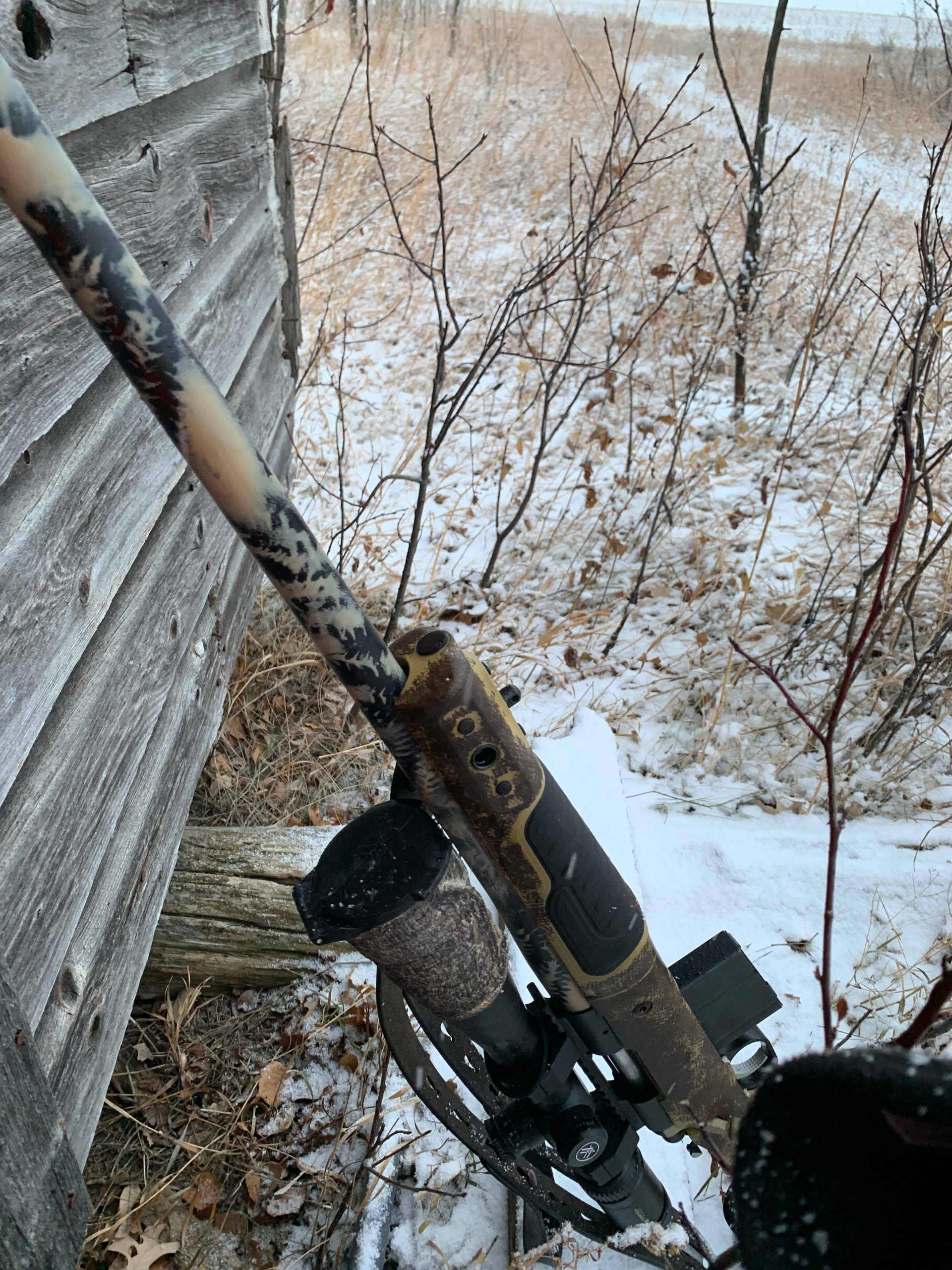
The the rifle leaning on the shed was taken on a Canadian whitetail hunt in Manitoba. It had a TacSport trigger with a “Gator” shoe in it, and it worked fine.
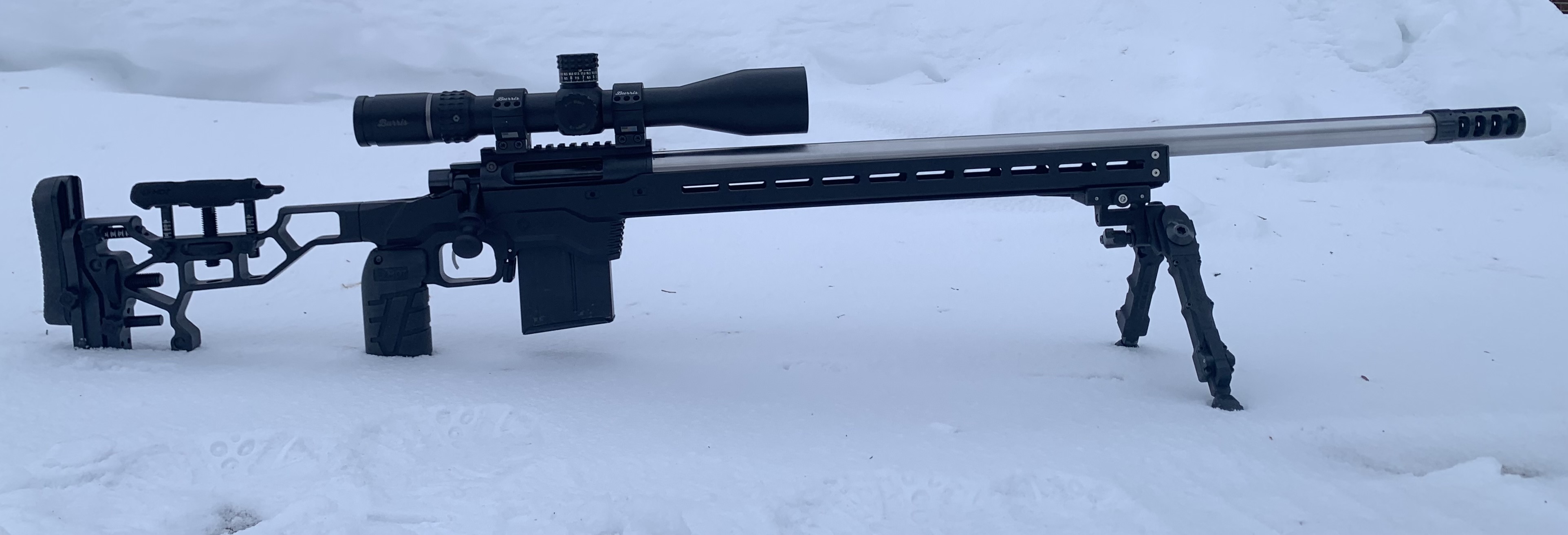
The rifle in the MDT chassis has a Bix’n Andy Remington 700 Competition trigger in it. it also worked fine in the North Dakota weather.
IF you keep moisture out of the trigger and use the proper lube or no lube at all you should be fine. Temps in the mid 30’s can’t freeze water or drastically alter viscosity of lubes.
The one thing you simply - cannot/must not - do is “lube” a Bix’n Andy trigger. They are designed to run absolutely dry. Any lube injected into the mechanism will cause the trigger to quit.
This notion of lubing triggers was started a long time ago by someone talking about using lighter fluid to lube Jewell triggers - waaaay back. In fact - I’m 66 - my introduction to Jewell came through hearing about this “lighter fluid lube” method 45 or so years ago.
I own a couple of Jewells and learned quite early that even Jewells are designed to work better - dry, and completely clean.
The last Jewell I got was inherited through a rifle trade - and it did not function! I soaked that sucker in a bowl in Dawn dish soap, swished it around throughout the day, then flushed it out with alcohol. Dry and clean it has never failed.
There was a lot of crap flushed out of that trigger that “lube” had attracted over time.
As the Bix’n Andy repair/warranty guy - I’ve returned after a three year hiatus - lube encroachment and improper sear settings are the two most common causes of failure that I’ve found.